
Orthopedic Care
Shoulder
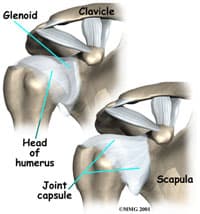
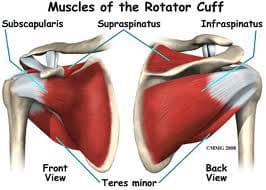
The shoulder is a complex joint. It is composed of three bones (clavicle, humerus, scapula), four rotator cuff tendons (subscapularis, supraspinatus, infraspinatus, teres minor), and the glenoid labrum. It is the most mobile joint in the body and is prone to injury.
Shoulder conditions & procedures
6 treatments
What are the Causes of Shoulder Pain?
Common problems in the shoulder joint include rotator cuff tears and tendinitis, impingement, labral tears, biceps tendon injuries, and instability. These injuries are best managed in a specialized setting where advanced techniques can be chosen according to each patient’s specific needs. Athletes with acute shoulder injuries need sports medicine specialty care that can help them return to sports and work as soon as possible. Minimally invasive arthroscopic techniques can be used to treat most shoulder injuries.
Common Arthroscopic Shoulder Surgeries
The types of shoulder surgeries most frequently performed using the minimally invasive arthroscopic techniques include a torn rotator cuff injury, tendonitis, shoulder impingement, a torn labrum, shoulder instability, and arthritis.
Although these seem like serious shoulder problems which require traditional surgery, Dr. Robin Fuchs can treat these issues using a minimally invasive technique.