Before & After Surgery
Preparing for Your Procedure
What to expect before and after surgery with Dr. Fuchs — how to prepare and what to bring. Call (425) 823-4000 with any questions about an upcoming surgery.
Patient Guide
Rapid Rehabilitation Program (R2P)
The Rapid Rehabilitation Program (R2P) was designed to get patients back to their active lifestyles as soon as possible after joint replacement surgery. It is a multidisciplinary approach that begins before surgery and helps you recover from your surgical procedure. It is patient centered with the support of your physicians, medical professionals, family, and friends.
R2P Patient Guide
PDF · 10 pages
Download or print the complete guide, including the medication chart.
In this guide
Your Team
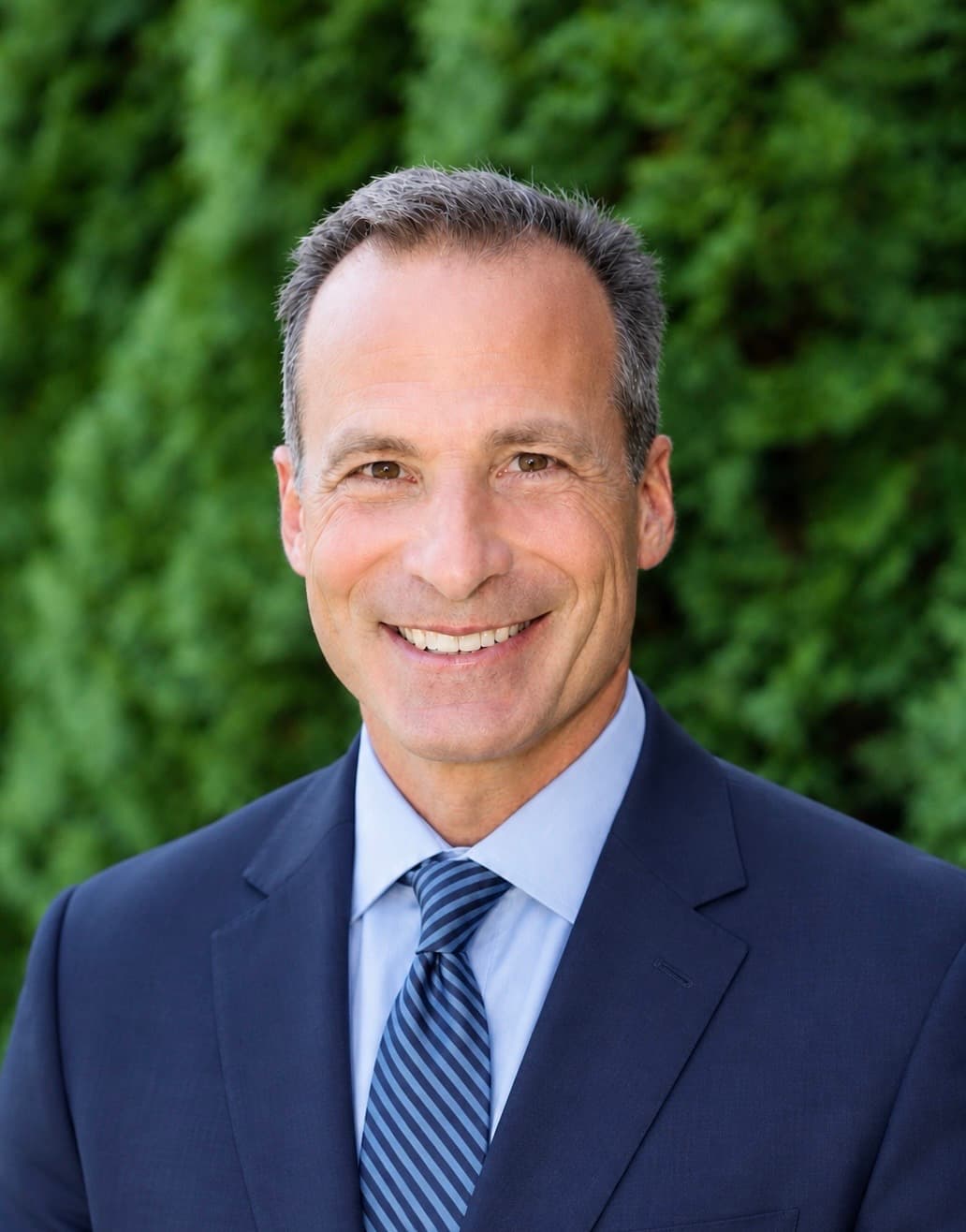
Dr Robin Fuchs is a double board-certified orthopedic surgeon who is fellowship-trained in joint replacement surgery and sports medicine. He was born in Seattle and has practiced medicine for 30 years.

Dr Timothy Locknane is a double board-certified physician who is fellowship-trained in sports medicine. He is a native of the Northwest and has worked with Dr Fuchs for over 20 years.
Yatzia Del Rio Sanchez is a medical assistant and surgery scheduler. She can be reached at 425 216-7060 during regular business hours. Her email is y.delriosanchez@proliancesurgeons.com.
01
Preoperative
Prehab refers to “getting in shape” prior to surgery. Many patients benefit from physical therapy and strengthening prior to surgery. Some insurance companies now require physical therapy prior to approval for surgery. Seeing a physical therapist prior to surgery can also teach you how to use a walker, crutches, and navigate stairs after surgery. Taking care of yourself, your body, and optimizing your health prior to surgery can affect your recovery after surgery.
Please let Dr Fuchs know if you have a history of blood clots, heart problems, kidney problems, liver problems, diabetes, previous history of infections or MRSA, smoke, allergies to metals such as nickel, or have a body mass index (BMI) greater than 30. These can increase your risk of complications after surgery. Smoking must be stopped 6 weeks prior to surgery.
Preop checklist:
Medications picked up from pharmacy including:
- Acetaminophen (500 mg)
- NSAID (Ibuprofen 200 mg or Naproxen 220 mg)
- Aspirin 81 mg (unless using a different blood thinner per Dr Fuchs)
- Oxycodone or Hydromorphone pain medicine
- Ondansetron (Zofran) for nausea
- Stool softener (your choice ex. Colace, dulcolax, senna)
Durable Medical Equipment (DME)
- Front wheel Walker (required)
- Crutches
- Ice packs or cooling machine (for knee replacement)
- Continuous Passive Motion (CPM) machine delivered to your home (knees)
- Knee Dressings (4-inch X 4-inch sterile gauze for knees)
- Hip Dressings (Island Dressing 4-inch X 10-inch for hips, found on Amazon)
- Plastic shower cover for knee or hip incision (Amazon)
- Compression socks (provided)
- Foam pillow for leg elevation (optional)
- Raised toilet seat (optional)
Showering with Chlorhexidine Gluconate (CHG) or Hibiclens: Purchase a small bottle (4 ounces) to shower with two days before surgery, the night before surgery, and the morning of surgery.
- Apply the CHG soap to your body below your head and not on genitals.
- Apply with the water off, and then wash gently and thoroughly for five minutes.
- Pay special attention to the hip or knee having surgery.
- Do not put on head, face, or genitals.
- Take all three showers.
- If you have an allergy to CHG, please shower with Dial soap.
- Do not shave the surgical area and do not use any lotions on the day of surgery.
02
Day of Surgery
- Take your final CHG shower before coming to the surgical center.
- Do not put on any lotions or perfumes.
- Do not eat or drink.
- Only take medications you were instructed to take with a sip of water.
- Wear comfortable, loose, clean clothing.
- Bring identification.
- Your caregiver must accompany you.
- 1
Arrive at Surgical Center or Hospital
- Check-in
- You will be brought to the preoperative area
- Consent for Surgery will be signed
- Dr Fuchs will come speak with you and answer any questions and mark your leg
- You will meet the anesthesiologist prior to surgery
- An IV will be started
- 2
Operating Room
- The operating room may be cold. Your staff wears gowns during surgery which keeps them warm, and you will be given a warm blanket.
- The anesthesiologist will walk you through the process and put you to sleep.
- The surgery will be performed by Dr Fuchs. Your surgical team consists of a nurse, surgical scrub, anesthesiologist, surgical assistant, and Dr Fuchs. A long-acting medication called Exparel (may last up to 72 hours) will be injected to help with pain and reduce your need for narcotic medication after surgery.
- 3
Recovery Room
- You may not remember waking up in the operating room. You will be brought to the recovery room on a stretcher.
- The nurses will monitor you. They will check your vital signs and ask you if you are having any pain. If needed, they will give you pain medication. Ice will be applied to your surgical site.
- In the recovery room you will stand and walk with assistance. You can change into your comfortable clothes and use the restroom, if needed.
- Once you are awake and doing well, they will call your caregiver. Your caregiver will be able to come see you in the recovery room.
- Once you have met discharge criteria, you will be assisted to your car, many times in a wheelchair.
- 4
Arrive at Home
- It is important to have help ready at home to assist you getting out of the car and into your home.
03
Postoperative
You did it! The rehab and recovery phase begins.
The Rapid Rehabilitation Program (R2P) was designed to help you recover and get back to your active lifestyle as soon as possible. Safety comes first, although we have learned that mobilization (standing and moving) is extremely important to reduce complications like blood clots, pneumonia, stiffness, weakness, and atrophy.
- Your bed should be mostly used for nighttime. A recliner is a good way to be up sitting with elevation.
- Try to stand with assistance every 1-2 hours. Go slow from lying to sitting, and sitting to standing, so you do not get lightheaded.
- Stay hydrated with fluids and electrolytes, preferably with low sugar content.
- Nutrition is very important for wound healing, strength, and reducing your risk for infection.
Weight Bearing:
Multimodal Pain Management
- 1)
Numbing medication
Exparel is a long-acting injection which is injected around your joint. It can last up to 72 hours and varies in duration.
- 2)
Cryotherapy / Ice
Is very useful for both pain and swelling. Be careful not place directly on the skin which can cause frostbite. Using this modality for 20-30 minutes at a time, every hour, can be very helpful for pain and swelling.
- 3)
Acetaminophen (Tylenol)
1000 mg can be used every 6 hours if you are healthy and have no contraindications such as liver problems.
- 4)
Non-steroid Anti-Inflammatory Drug (NSAID)
You can choose whichever you prefer: Ibuprofen (Advil) 400-600 mg every 8 hours or Naproxen (Aleve) 220-440 mg every 12 hours. Only take one type of NSAID. Do not take if you have any contraindications such as kidney or gastrointestinal problems, or you have been told to avoid these due to other medications.
We recommend using the above FOUR modalities to control pain, and only use narcotic medication, if necessary. Less narcotic medication is better because of their side effects such as constipation, dizziness, higher risk of falling, nausea, and dependence. The dose for narcotics is below:
- Oxycodone 5-10 mg every 4 hours as needed for pain or
- Hydromorphone 2-4 mg every 4 hours as needed for pain
*If you need to take narcotics, do not stop taking your Acetaminophen and NSAID
Medication Chart
Download or print the Day 1 – Day 7 medication chart.
Blood Clot (DVT) Prevention
We use a multipronged approach to reduce your risk of developing a blood clot. Developing a blood clot, known as a deep venous thrombosis (DVT), is a risk of surgery.
If you experience calf pain and swelling after surgery, please let Dr Fuchs know. Typically, the quickest and easiest way to diagnose a DVT is an ultrasound which can be performed in most emergency rooms. It is important to identify a DVT so it can be treated appropriately.
Below, are ways to reduce your risk of DVT:
Aspirin (81 mg) every 12hours for 6 weeks after surgery beginning the day AFTER surgery. (Unless using a different blood thinner, discuss with Dr Fuchs)
Nausea Prevention
Limit narcotic usage, they can cause nausea. Eat small meals more frequently rather than large meals. Stay hydrated with fluids and electrolytes (preferably with low sugar content). You will be given a prescription for Ondansetron (Zofran) to use every 6 hours as needed for nausea.
Wound Care Instructions
Keep your original surgical dressing on until your first postoperative follow-up appointment, typically 10-12 days after surgery. If it has excessive drainage, becomes saturated or wet, please contact your care team. It may need to be changed sooner at home.
After the original dressing is removed at your postoperative visit, you will begin daily dressing changes once per day.
- 3 weeks
- Keep your incision covered for 3 weeks from surgery.
- 3 weeks
- Keep your incision dry for 3 weeks from surgery.
- 10 weeks
- No soaking in a tub or pool for 10 weeks.
Infection Prevention
Infection after surgery can be very serious requiring further surgery and / or antibiotics. If you have signs of infection such as drainage from your incision, redness around your incision, or fevers and chills, please let your care team know immediately.
Prior to surgery you will perform three showers (as described above).
You will receive antibiotics in your IV on the day of surgery.
After surgery it is important to:
- Practice social distancing
- Strict hand washing, particularly when changing your dressing
- No pets allowed in your bed, arrange for pet care
- Bath daily with your incision covered, keep the dressing dry
- Good nutrition and hydration (with electrolytes)
- Diabetic patients must keep their sugar under good control
Continuous Passive Movement (CPM) Machine
The CPM machine is used only for knees (not for hips). It is designed to move your knee and reduce stiffness in your knee. It is part of your HOME physical therapy program until you start outpatient physical therapy. The CPM is typically used for the first 2 weeks after surgery and can be stopped when you begin outpatient physical therapy with your physical therapist (therapist of your choice).
The CPM machine will be delivered to your home. It should be used as follows:
Day of surgery (evening)
CPM set from 0-45 degrees for 20-30 minutes.
Day after surgery
CPM set from 0-50 degrees. Use CPM 3 times per day for 30-60 minutes. Increase the bend (flexion) 5 degrees each session (ex 50 degrees, 55 degrees, 60 degrees, etc.). Therefore, you will try to increase the bend 15 degrees per day.
0-120 degrees
*The key is to increase your bend little by little each day (as described above). This adds up over the first 2 weeks. If you get to 0-120 degrees by your first follow-up appointment you are doing excellent! You will begin going to your physical therapist after your first follow-up appointment.
Dr Fuchs recommends beginning to go to your physical therapist office 10-14 days after surgery. Please make your appointments ahead of time because they can book up quickly. We highly recommend scheduling physical therapy sessions 3 days per week. You will receive a prescription to hand deliver to your physical therapist at your postoperative visit. If you need it ahead of time, let your care team know.
04
Postoperative Clinic Office Visits
1st Postoperative clinic visit:
10-12 days after surgery,
we will change your dressing
2nd Postoperative clinic visit:
5-6 weeks after surgery,
x-rays will be performed
Dental Prophylaxis
Dr Fuchs recommends you take antibiotics on the day of future dental procedures to reduce the chance of getting an infection from bacteria that is dislodged from your gums and spreads through your blood stream to your joint replacement. Our team can provide you with a prescription for antibiotic pills.
Before your visit
Kirkland Office Policies2 sections
Insurance Information
We accept most major Insurance plans.
Fees & Payments
We make every effort to decrease the cost of your medical care. Therefore, we request payment arrangements for all office services at the time they are rendered unless prior arrangements have been made. We accept cash, checks, MasterCard, Visa, and Discover for your convenience. If we are a participating provider of your insurance company, we will bill them. However, payment is the patient’s responsibility. We will help in any way we can to assist you in handling claims.