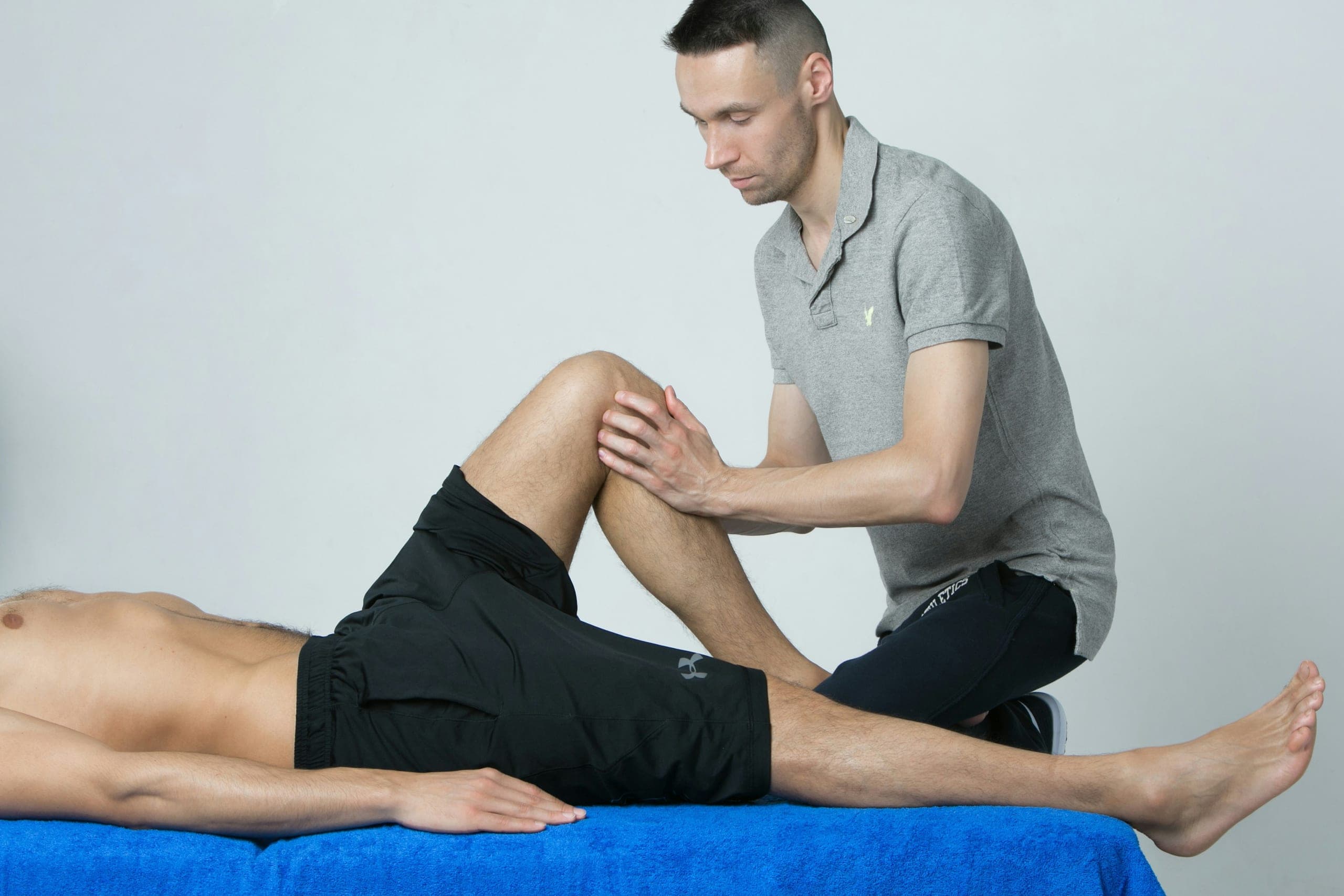
Knee
Meniscus Surgery in Kirkland, WA
A meniscus tear is a common knee injury. The meniscus is a piece of cartilage in your knee that cushions and stabilizes the joint between your thighbone (femur) and shinbone (tibia). The meniscus is a C-shaped pad of specialized cartilage that functions as a shock absorber within the knee. There are 2 menisci in the knee joint – one on the inside of the knee (medial meniscus) and one on the outside of the knee (lateral meniscus). The menisci are located between the femur and tibia bones in the knee and distribute weight and reduce friction during movement.
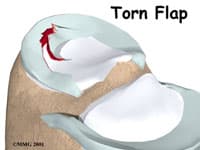
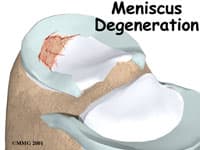
As you age, your cartilage can wear down especially if you have arthritis. In fact, more than 40 percent of people 65 or older report a torn meniscus.
Meniscal tears occur with twisting injuries to the knee and are commonly associated with ACL tears. They can be due to a traumatic injury, often seen in athletes, or due to a degenerative process in which the meniscus becomes more brittle.
Dr. Robin Fuchs is a fellowship-trained board-certified orthopedic surgeon that specializes in treating knee injuries. If you have torn your meniscus and are seeking treatment, please call (425) 823-4000 to schedule an appointment at our orthopedic clinic in Kirkland, WA today! Dr. Fuchs is conveniently located for patients located in Bellevue, Redmond, Seattle, Bothell, and Renton, WA.
What Are the Symptoms of a Meniscus Tear?
The symptoms of a meniscus tear include pain, swelling, locking, and the inability to completely straighten the knee joint.
- Feel a pop when your meniscus is torn.
- Experience pain in the knee joint
- Experience swelling or stiffness, locking knee
- Be unable to bend or straighten
With a small tear, the patient may experience pain and swelling that goes away within a few weeks. A large tear can cause the knee to catch, pop, or lock, or you may not be able to straighten it. The knee may feel wobbly or give out.
What is the Treatment for a Torn Meniscus?
Your doctor can help diagnose a torn meniscus upon evaluation or imaging. We will look at the structure of your knee and talk to you about your options. Factors determining treatment largely depend on your age, activity level, the severity of the injury, and other outside factors.
Non-surgical treatment for tears that can heal on their own may include:
- Physical therapy
- RICE: Rest, Ice, Compression, Elevation
- Anti-inflammatory medications
Surgical treatment options:
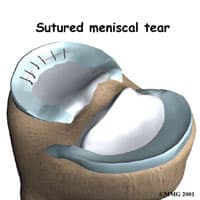
The goal of surgery is to preserve the meniscus by repairing or removing the torn part. Minimally invasive arthroscopic techniques are used to repair the meniscus. Patients who undergo a meniscal repair must be more cautious postoperatively and typically have more restrictions than those undergoing a partial meniscectomy. Meniscus repairs are typically reserved for young patients with specific tear patterns. In order for the meniscus to be repaired and heal successfully the tear must be near the outer edge of the meniscus. This is called the vascular zone and is where the meniscus receives its blood supply (nutrients from the blood vessels are necessary for healing). If the tear is not located in the vascular zone, or is complex in nature, a partial meniscectomy is typically performed.
Unfortunately, less than 10% of meniscus tears are repairable. Studies have shown that as high as 40% of patients undergoing a meniscal repair may require further surgery due to incomplete meniscal healing.
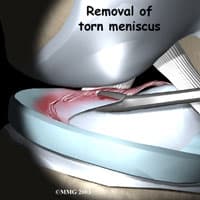
The surgical treatment for most meniscus tears involves trimming out the torn portion of the meniscus. This is known as a partial meniscectomy. Meniscectomy was originally performed as an open procedure but with the development of minimally invasive arthroscopic techniques, a partial meniscectomy has evolved into one of the most successful and commonly performed orthopedic procedures. During this procedure, only the portion of the meniscus that is torn is removed and the healthy remaining meniscus is preserved. The size and configuration of the tear determines how much meniscus is removed.
Is Meniscus Surgery Necessary?
Treatment of meniscal tears depends on several factors including the type of tear, the location of the tear, and the activity level of the patient. If surgery is necessary, minimally invasive arthroscopic techniques are used to either trim out the torn portion of the meniscus (partial meniscectomy) or repair the meniscus (meniscal repair).
Watch: Partial Meniscectomy
Schedule an Appointment for Meniscus Surgery in Kirkland, WA
Are you an athlete suffering from a sports injury? Contact Dr. Robin Fuchs to discuss the diagnosis and treatment of your condition. To learn more about the meniscus treatment best for you, please call (425) 823-4000 and request a consultation at our orthopedic clinic in Kirkland, WA. Our orthopedic clinic is conveniently located for patients located in Bellevue, Redmond, Seattle, Bothell, and Renton, WA.